The box your dress came in cost ₦500. It’s made of cardboard. It’s printed with your brand logo. And it’s probably going to end up in a landfill within a week.
For brands that care about sustainability, packaging is a problem. The most common options—plastic bags, styrofoam inserts, non-recyclable cardboard—are cheap and available. The sustainable alternatives—recycled paper, biodegradable plastics, reusable containers—are expensive and often imported.
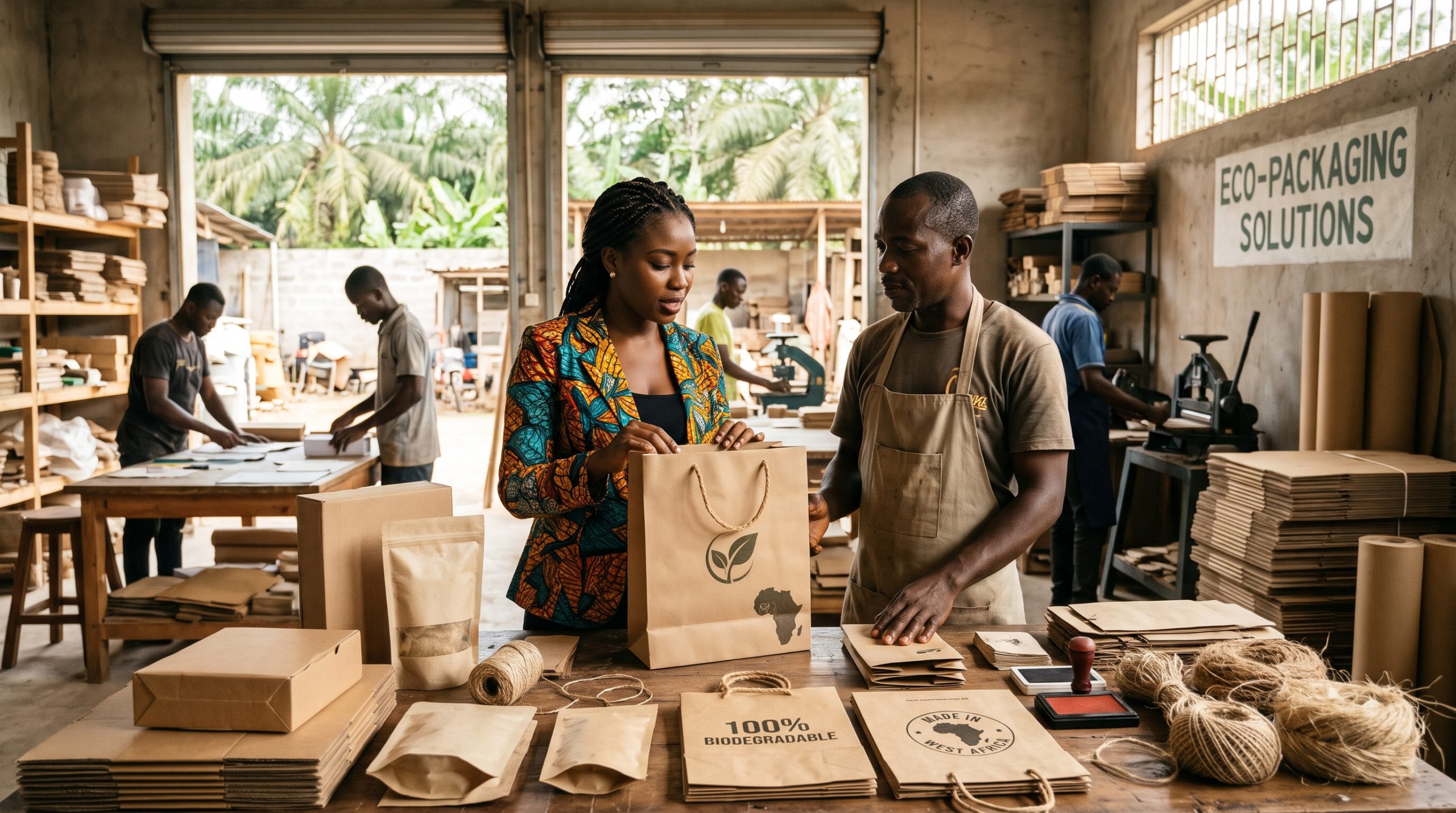
The hunt for locally manufactured, eco-friendly packaging is ongoing. Some entrepreneurs are experimenting with agricultural waste—coconut husks, cassava peels, plantain stems—as raw materials for packaging. Others are developing supply chains for recycled paper, working with local waste collectors to source material.
The challenges are significant. Production costs are high. Quality is inconsistent. Volumes are low. But the brands that are investing in sustainable packaging are betting that consumers will reward them for it—and that regulations will eventually force the issue.The smartest brands are finding creative middle paths. They’re using recycled materials where possible, minimizing packaging size, and designing boxes that customers want to keep rather than throw away. Some are even turning packaging into a brand asset—beautiful, reusable containers that extend the customer experience beyond the unboxing moment. It costs more upfront, but it builds loyalty that cheap plastic never could. The future of packaging in West Africa isn’t just about looking good—it’s about being responsible, and the brands that embrace this early will be the ones customers trust.









No Comments