
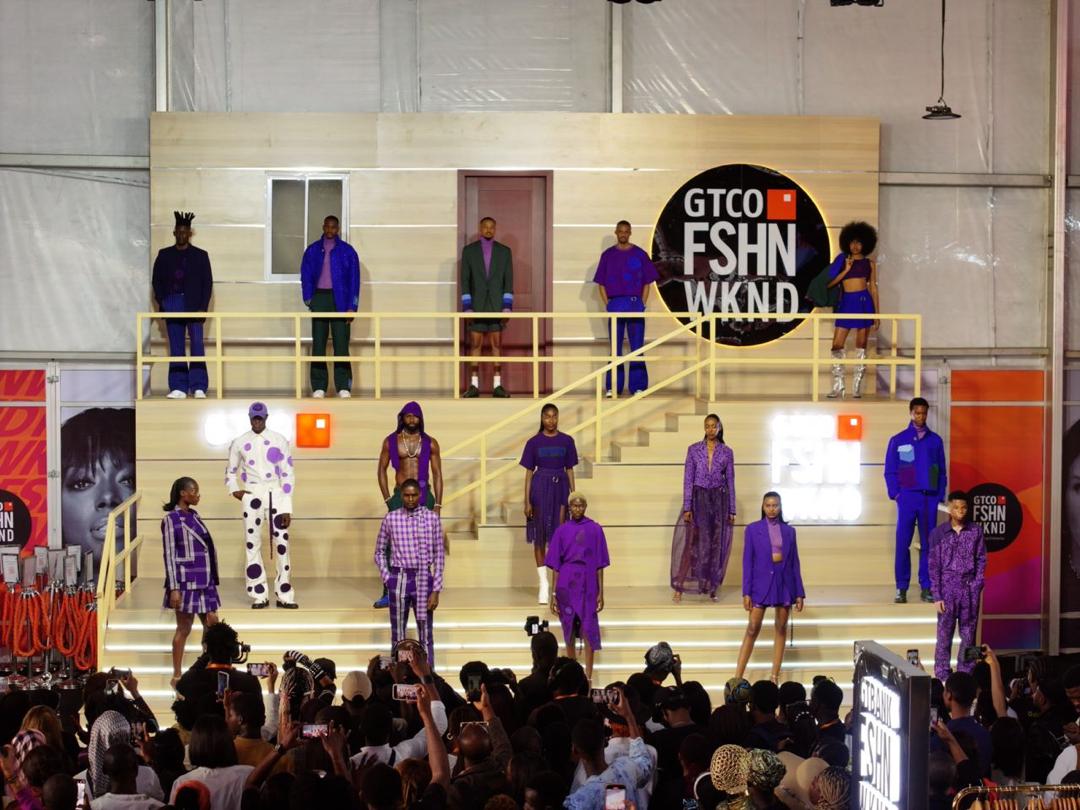


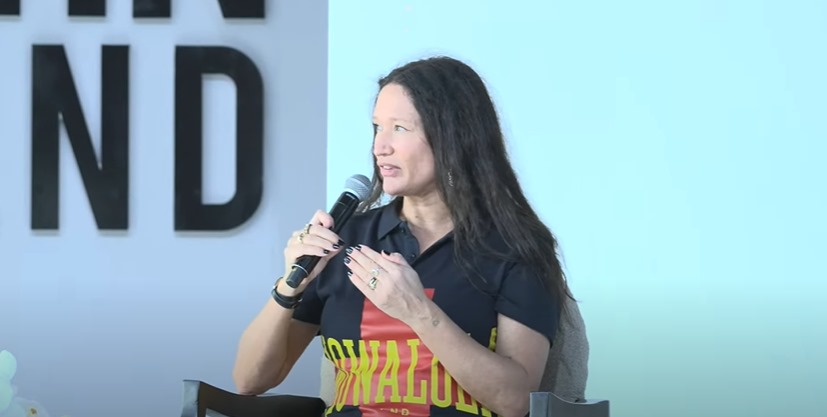
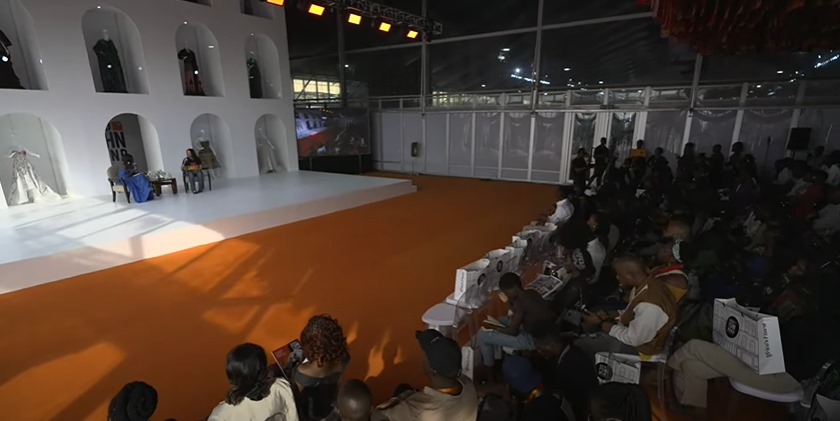
The sustainable fashion movement has gained momentum across the globe, and this year’s GTCO Fashion Weekend in Lagos highlighted its importance for the future of the industry. Among the masterclass speakers was Kennedy Lulu MBE, a celebrated talent scout and fashion strategist renowned for her keen eye for emerging talent and her advocacy for sustainable, thoughtful design. Her talk on sustainable fashion and strategic brand-building captivated the audience with insights on how designers can balance creative ambition with sustainable practices and economic viability.
Table of Contents
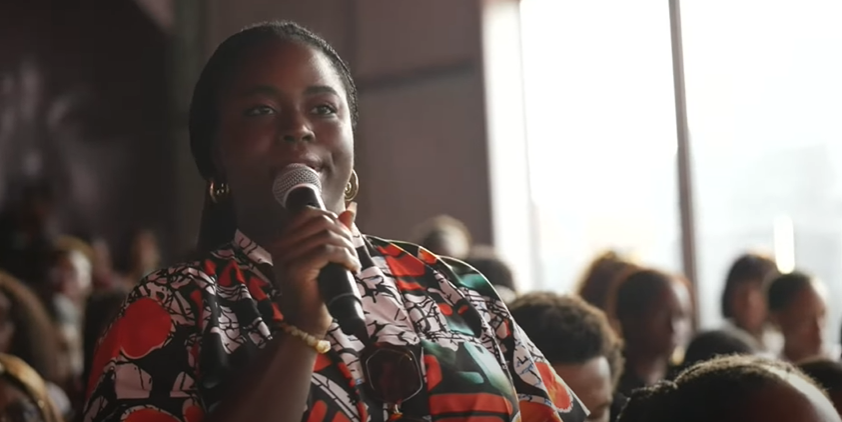
While answering questions from a number of passionate designers who attended the 1st masterclass session at GTCO Fashion Weekend 20240\; Lulu emphasized that for new designers, the foundation of sustainable fashion lies in conducting a reality check before launching any collection. Rather than producing items on a large scale, she urged designers to take a more measured approach. “Start small, test the market, and refine your approach,” she advised, noting that understanding consumer demand is crucial before investing heavily in production. By producing smaller batches, designers can not only minimize waste but also gauge the market’s interest in their designs, ultimately allowing them to adjust their collections based on real-world feedback.
Testing the market with smaller quantities helps designers avoid one of the biggest pitfalls in the industry: overproduction. According to Lulu, designers should focus on crafting quality pieces with a unique story behind them rather than overwhelming themselves with large quantities of product that may not sell. This approach not only reduces environmental impact but also allows designers to concentrate on refining their brand and honing their creative voice. “It’s essential to have a reality check with designers to ensure their product is viable,” Lulu explained, pointing out that sustainable fashion is not just about materials but also about sustainable practices and smart business strategies.
Lulu also highlighted the importance of data-driven design. In today’s digital landscape, designers have more tools than ever to understand their audience’s preferences. She encouraged designers to conduct thorough research, analyze consumer trends, and even utilize social media metrics to inform their design decisions. By leveraging this data, designers can create products that not only align with their vision but also cater to a specific market demand. Lulu’s pragmatic approach serves as a reminder that creativity and commerce can work hand-in-hand to create brands that are both impactful and profitable.
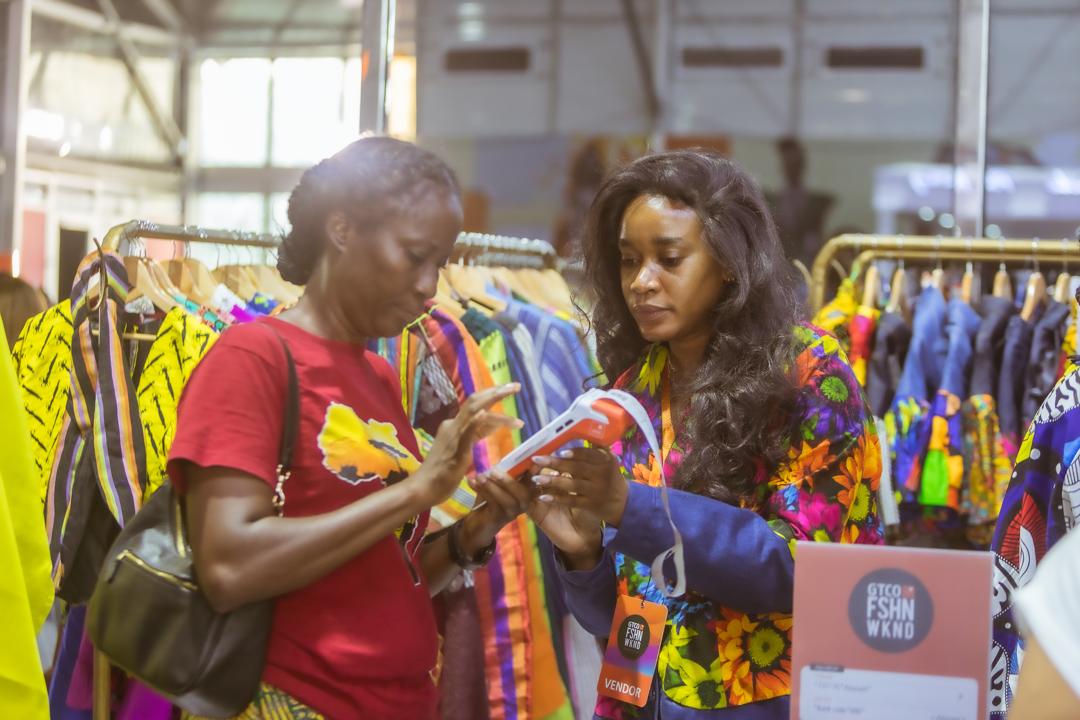
For emerging designers working with limited budgets, Lulu offered practical advice on promoting their brand without breaking the bank. Social media, she explained, can be a powerful tool if used wisely. High-quality images, even those taken on a phone, can be shared online to showcase a designer’s work and aesthetic. In her experience, it’s not necessarily the production quality of the photo but the creative presentation and story that capture an audience’s attention. She also recommended guerrilla marketing techniques, such as gifting friends or influencers with pieces from their collection. “Gift friends with your designs, capture their styled looks, and share on social media,” Lulu advised. By encouraging people to wear and share the designs organically, designers can expand their reach and create a grassroots following.

Another effective strategy Lulu suggested was collaboration with influencers, bloggers, or other designers. She explained that partnerships can significantly boost visibility and credibility, especially for those who are just starting out. Collaborating with individuals who have established audiences allows designers to tap into new markets and connect with potential clients. This kind of mutually beneficial relationship can often be the gateway for designers to build a name for themselves without the need for extensive advertising budgets.
When it comes to pricing, Lulu offered valuable insights on charging more while delivering value. In her view, pricing should reflect the quality, creativity, and story behind a brand. “Make your work look exceptional, and you’ll be able to charge more,” she said, emphasizing that a higher price point can communicate a brand’s dedication to craftsmanship and artistic integrity. To justify premium pricing, designers must refine their craft and develop a unique value proposition that sets them apart. Lulu advised designers to strike a balance between creativity and commercial appeal, noting that fashion success relies on both artistic expression and understanding consumer needs. By crafting collections that are both visually appealing and emotionally resonant, designers can attract customers willing to invest in their brand.
Perhaps the most compelling part of Lulu’s masterclass was her discussion on the balancing act between creativity and commerciality. While designers often want to push the boundaries with bold and unique ideas, it’s essential to consider market demand and customer needs. Lulu believes that the most successful brands are those that manage to stay true to their artistic vision while also addressing the practical needs of their audience. “Stay true to your artistic vision,” she advised, “but continuously adapt and refine your approach.” By doing so, designers can create brands that are not only creative but also commercially viable and sustainable in the long run.
In closing, Lulu shared her perspective on the future of sustainable fashion, emphasizing that designers must embrace adaptability, collaboration, and purpose-driven growth. By adopting practices that minimize waste, prioritize quality, and resonate with audiences, fashion brands can build a foundation for success while respecting the environment. She encouraged designers to think of sustainability as an ongoing journey rather than a destination, one that requires continuous learning, adaptation, and commitment to ethical practices.
Lulu’s insights at the GTCO Fashion Weekend served as a valuable guide for designers navigating the modern fashion landscape. Her blend of practical advice and visionary thinking provided attendees with actionable strategies to build sustainable brands that honor both creativity and commercial success. Through thoughtful brand-building, market testing, and a commitment to sustainable growth, young designers can carve a niche for themselves and contribute positively to the future of fashion.





No Comments