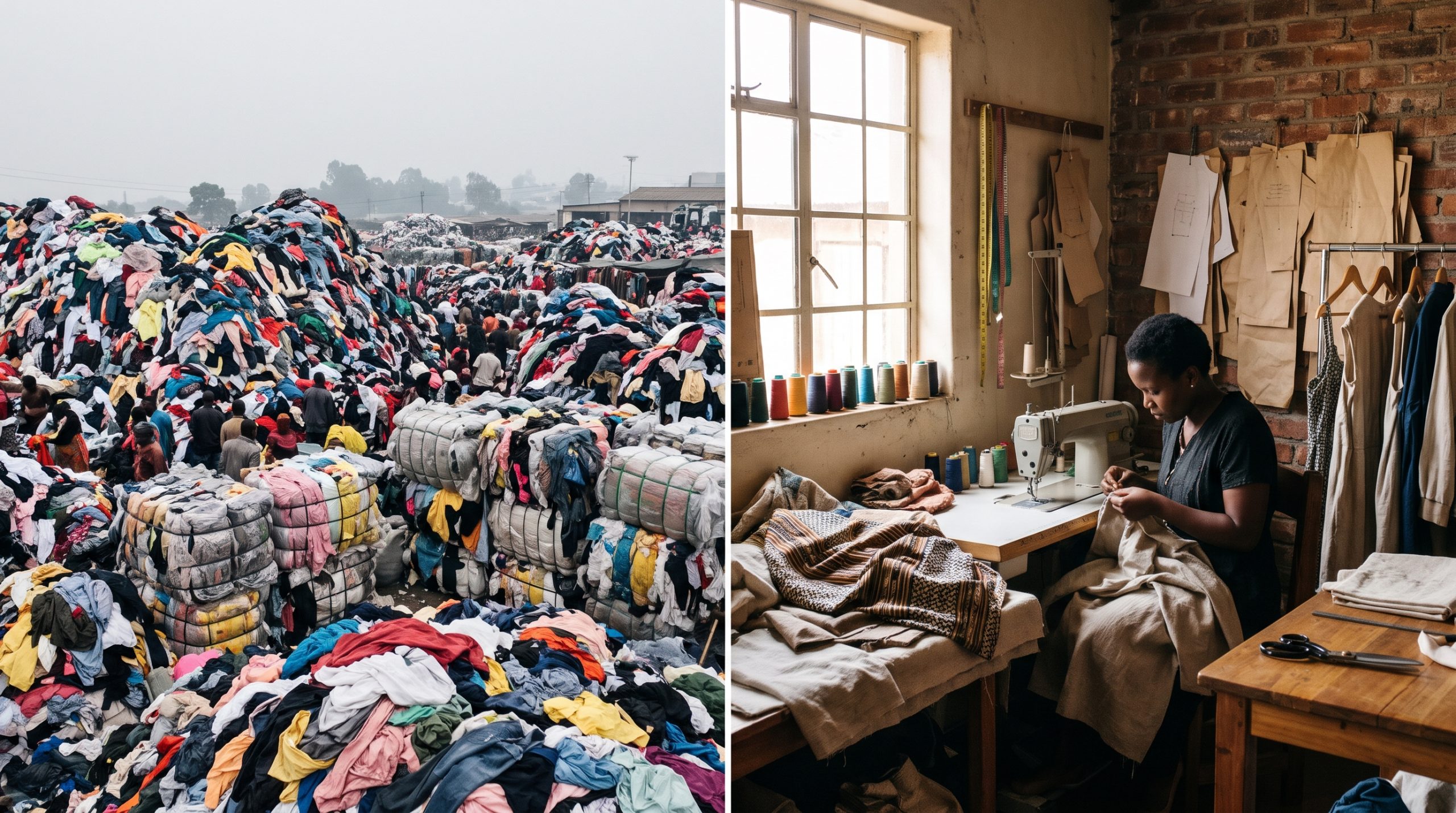
The shirt costs ₦3,000. It was made in China, shipped to Nigeria, and sold at a market stall. It’s decent quality—for the price.
The alternative—a shirt made locally by a Nigerian designer—costs ₦25,000. It’s better made, more original, and supports local jobs. But for many consumers, the price difference is too much to overcome.
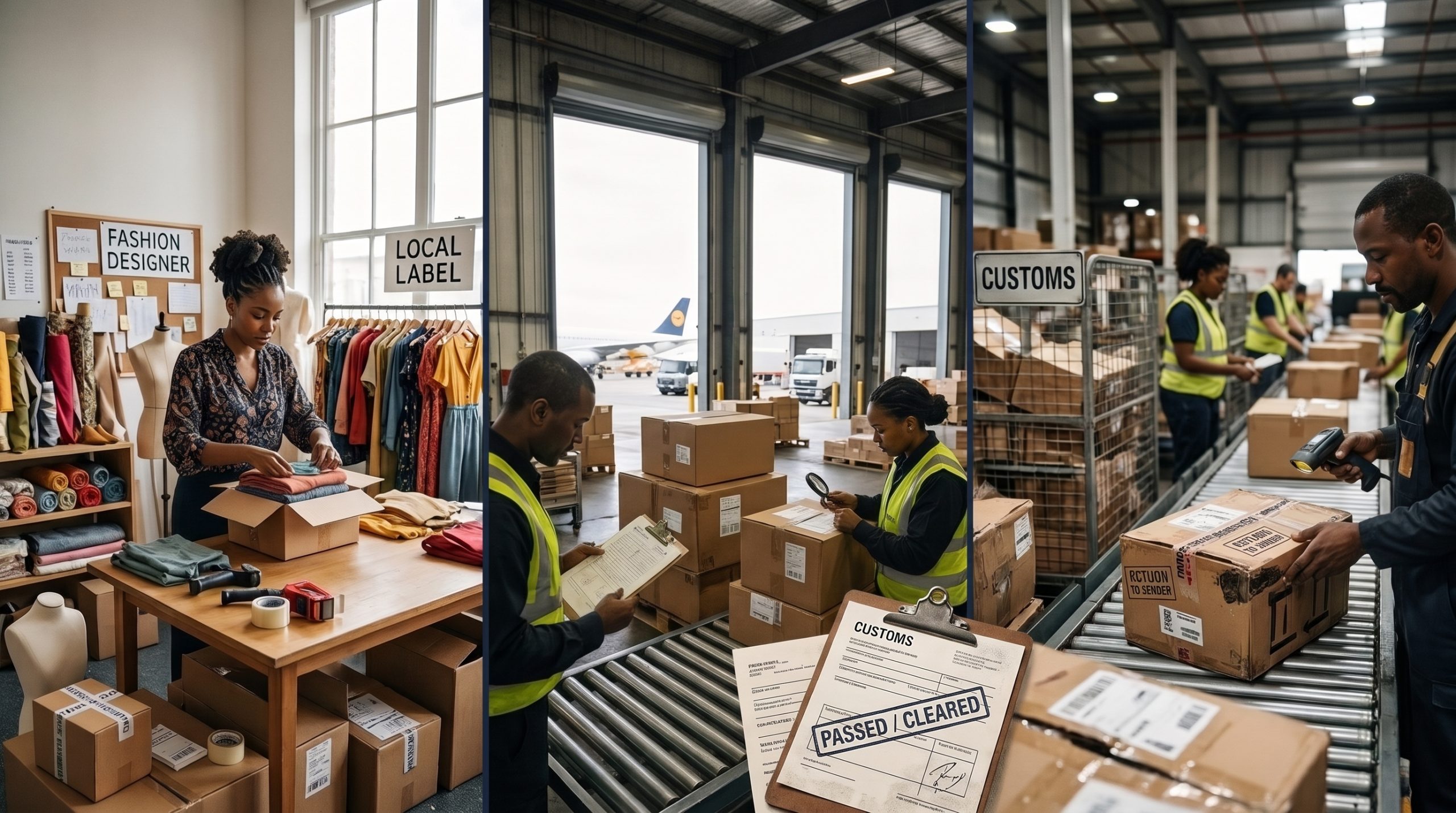
This is the challenge facing ready-to-wear brands in West Africa. They’re competing not just with other local brands, but with cheap imports that flood the market at prices that seem impossible to match.
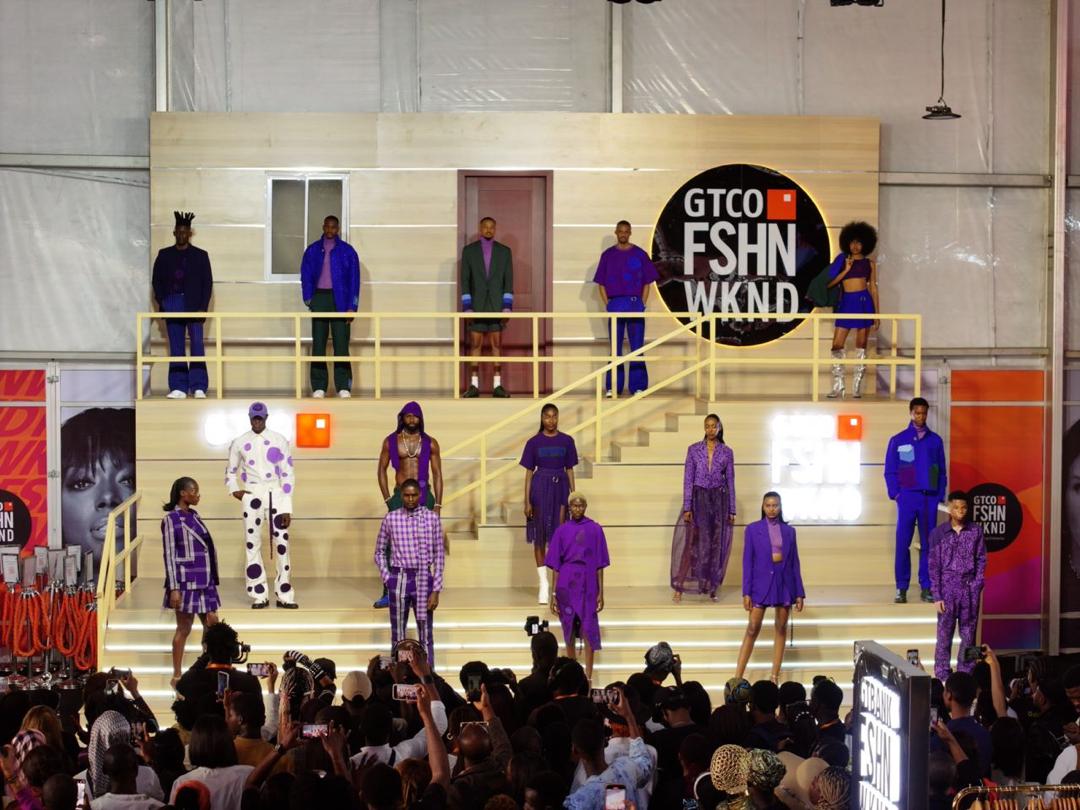
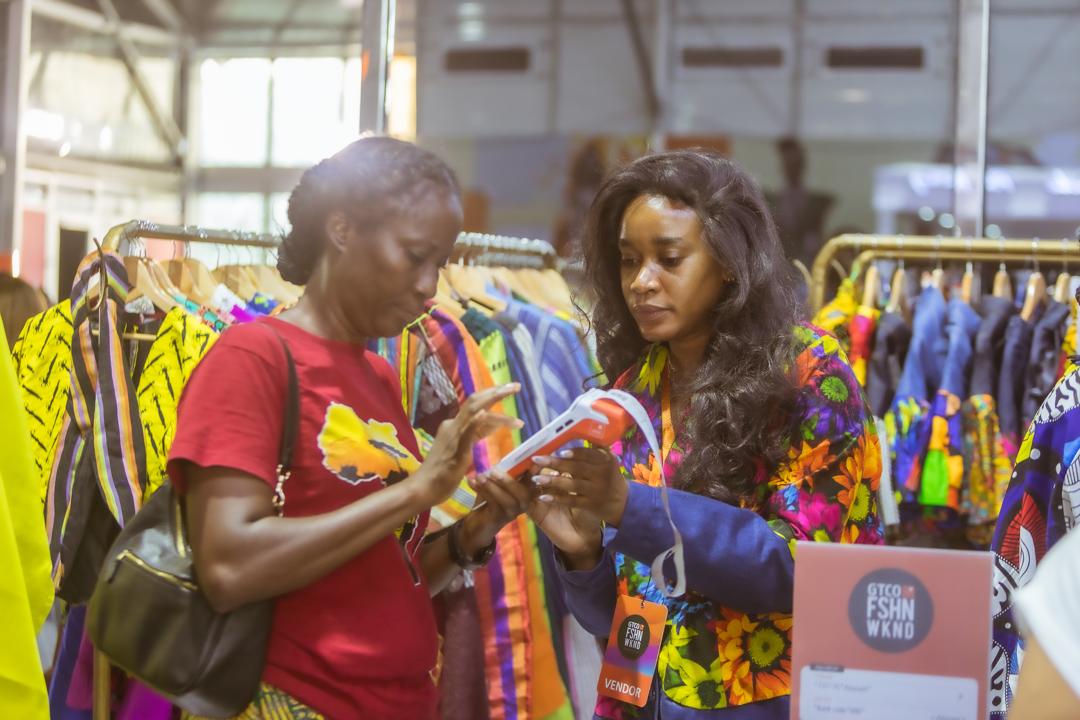
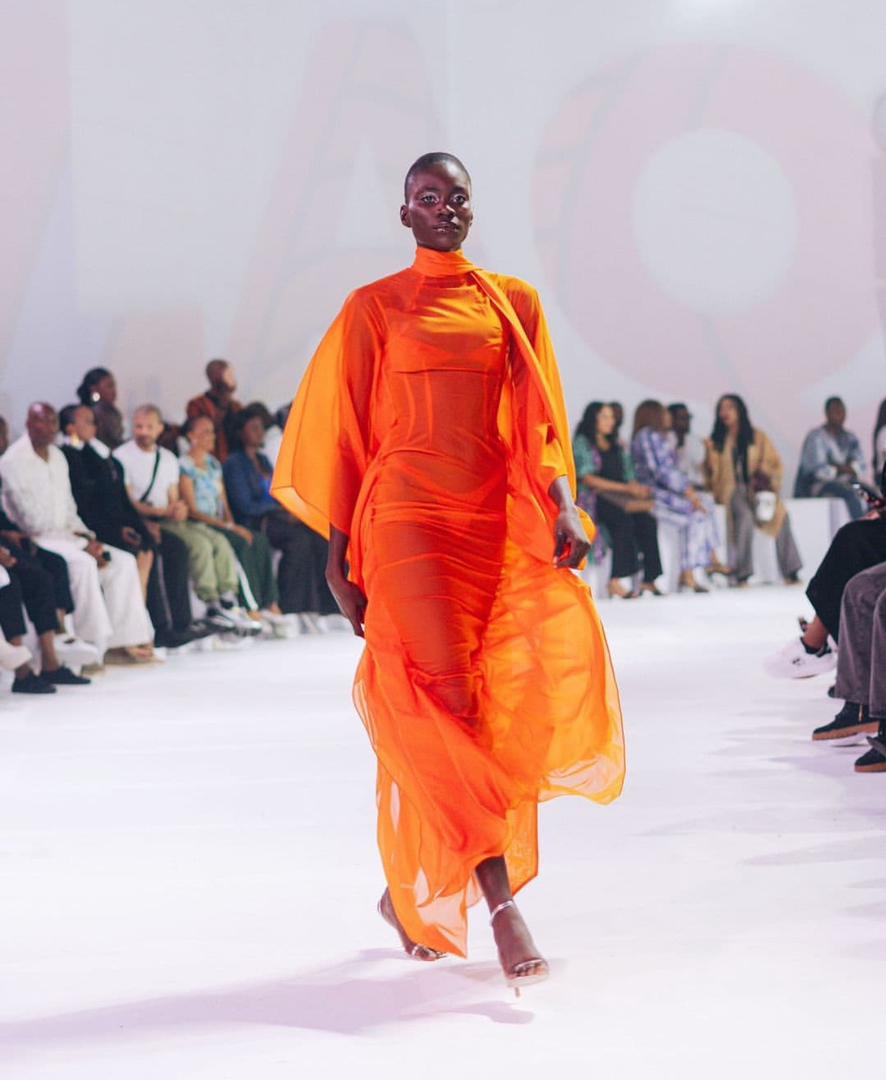
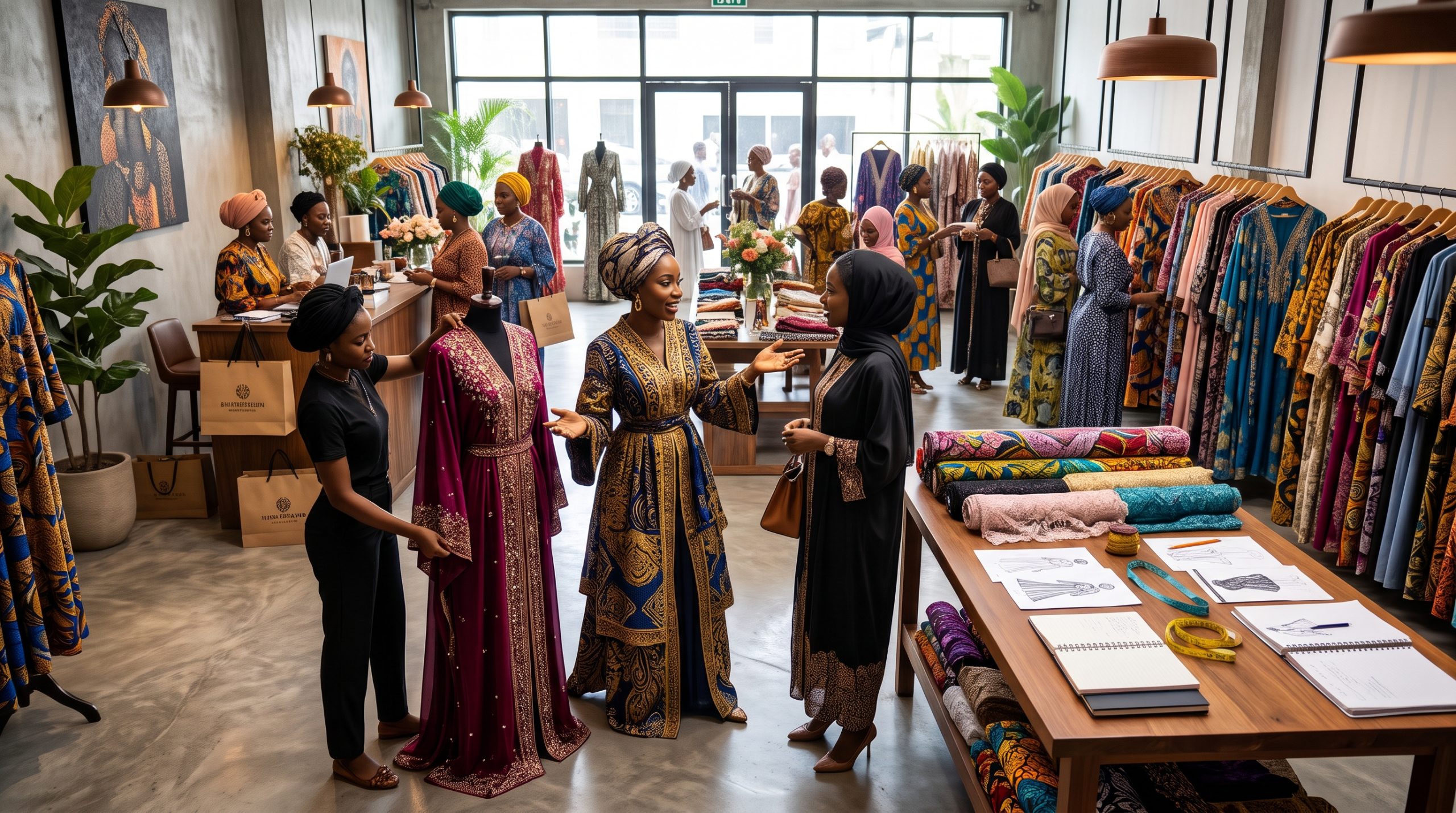
The response has been multifaceted. Some brands focus on quality—making products that last so much longer that the higher price is justified. Others focus on identity—appealing to customers who want to express their heritage and support local talent. Some focus on exclusivity—positioning themselves as premium alternatives to mass-market goods.
None of these are complete solutions. But together, they allow local brands to carve out niches that cheap imports can’t fill.The brands that win aren’t trying to beat fast fashion at its own game. They’re playing a different game entirely—one where quality, story, and identity matter more than price. They’re building relationships with customers who see clothing as an investment, not a disposable purchase. And they’re betting that as the middle class grows and tastes mature, more consumers will make the same choice.








No Comments