The future of delivery is local.
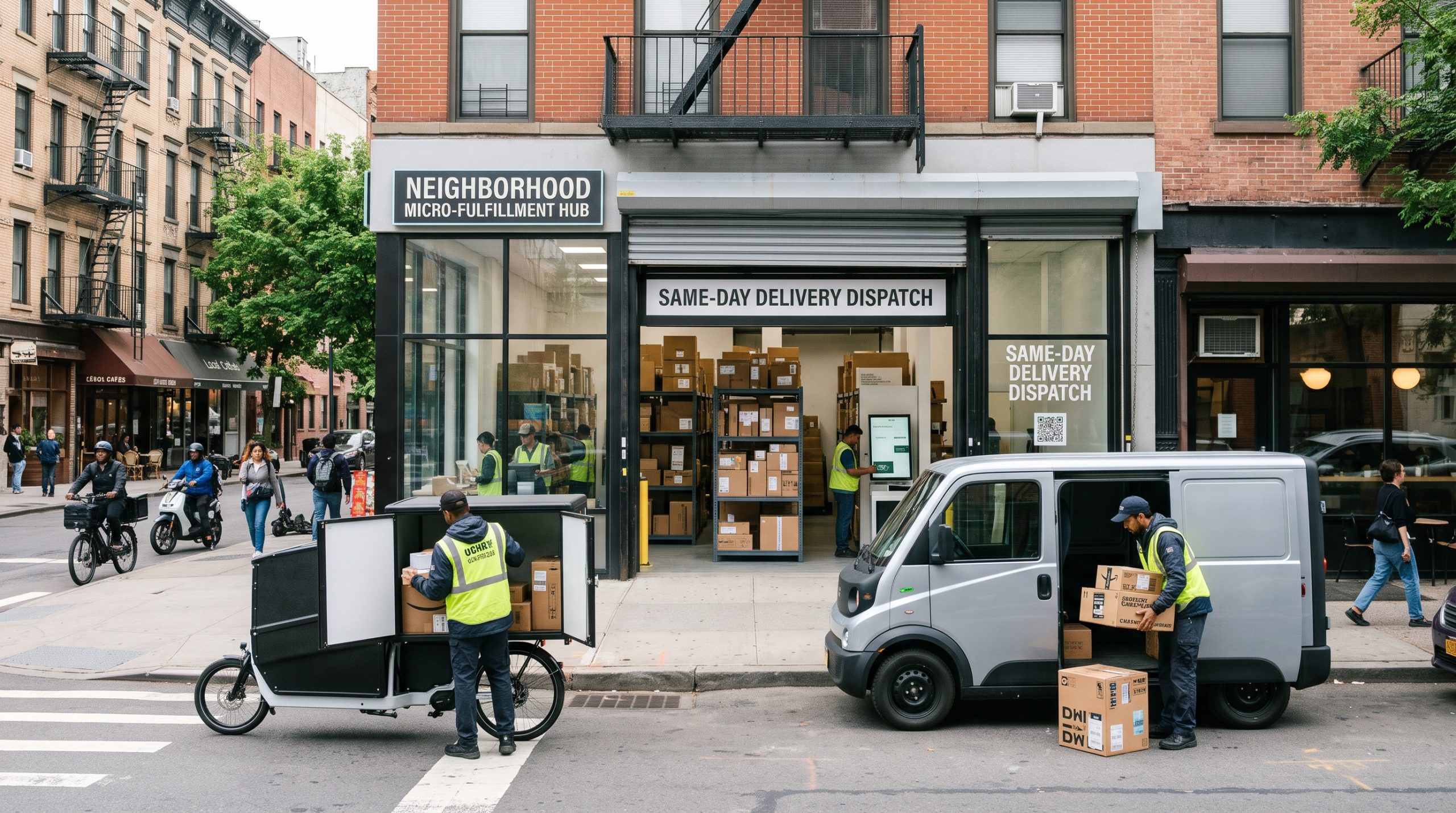
Instead of one big warehouse on the outskirts of Lagos, imagine 20 small fulfillment centers scattered across neighborhoods. Instead of one delivery fleet, imagine dozens of bike couriers who know every street, every shortcut, every traffic pattern.
This is the micro-fulfillment model, and it’s gaining traction among creative commerce brands that need faster, cheaper delivery.
The model works like this: a brand establishes small hubs in high-demand neighborhoods. Each hub holds a limited inventory of best-selling products. When a customer orders, the product is dispatched from the nearest hub, not from a central warehouse. Delivery time drops from days to hours. Delivery cost drops because the distance is shorter.
The challenge is operational complexity. Managing 20 hubs is harder than managing one warehouse. You need systems to track inventory across locations, to route orders to the nearest hub, to replenish stock as it sells. But for brands with the operational capability, the benefits are significant.
Some startups are building platforms that allow brands to share micro-fulfillment hubs, reducing costs and complexity. A fashion brand, a beauty brand, and a home goods brand might all use the same hub, sharing rent, staff, and delivery infrastructure.
The model isn’t for every brand. But for those selling products with high demand and short delivery windows, it’s worth considering. The brands that crack micro-fulfillment will own the next decade of Lagos e-commerce. Speed is becoming the ultimate competitive advantage, and the businesses that can deliver in hours—not days—will win the customers who value their time.









No Comments