The carving was beautiful. The wood was sourced locally. The artisan had been carving for 30 years. And he couldn’t fill the order.
This is the challenge of working with artisan communities. The craft is there. The talent is there. But the infrastructure—consistent production schedules, quality control, timely delivery—is often missing.
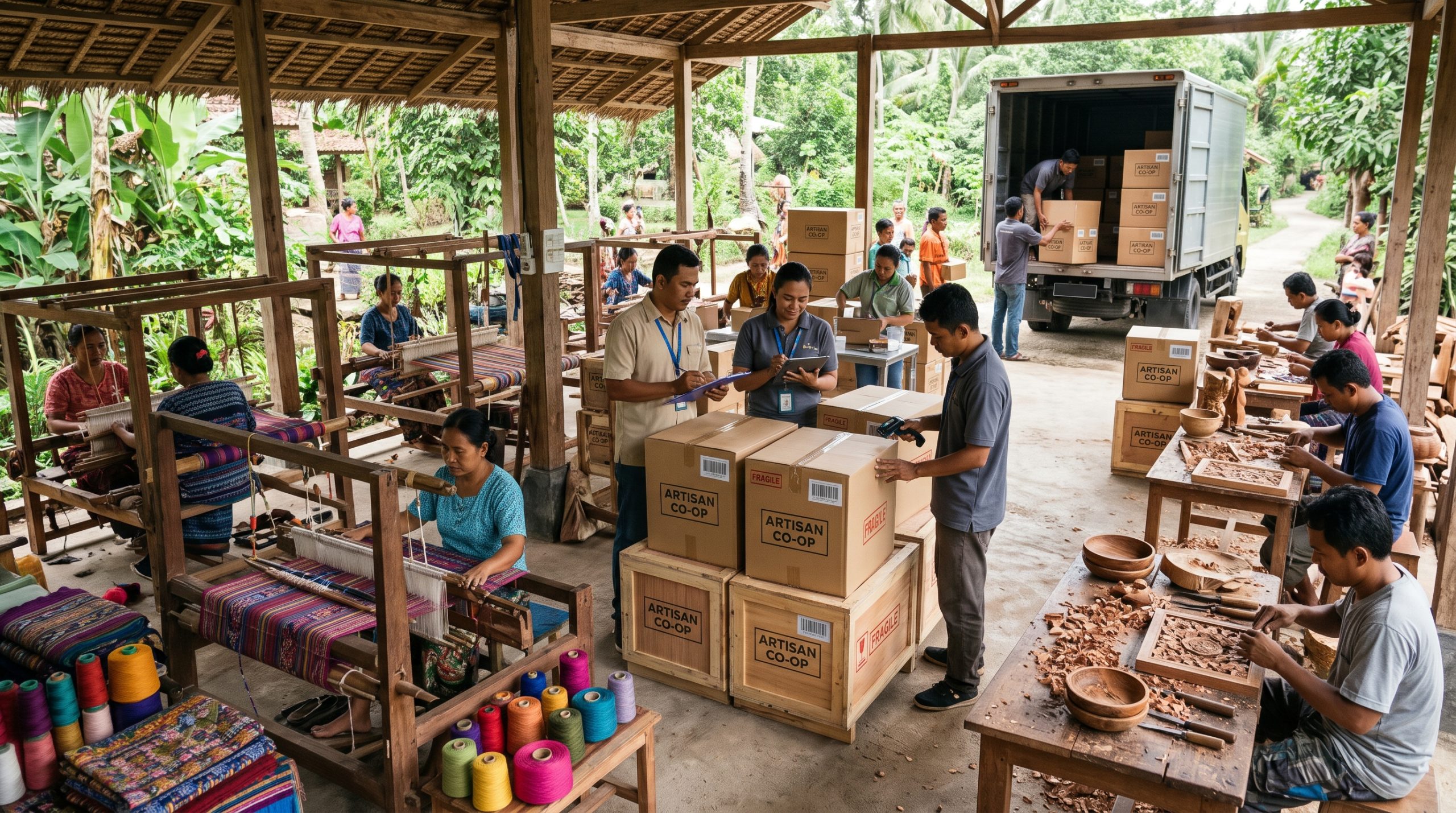
The solution, increasingly, is cooperatives. By organizing individual artisans into collectives, it’s possible to coordinate production, standardize quality, and aggregate output to meet corporate demand.
Cooperatives also give artisans more bargaining power. Instead of negotiating individually with buyers, they negotiate as a group. Instead of competing with each other, they collaborate.
The model isn’t without challenges. Cooperatives require governance structures, financial management systems, and leadership development. They take time to build. But for companies that depend on artisan supply chains, they’re worth the investment.
The most successful co-ops have figured out how to blend tradition with professionalism. They maintain the handmade quality that makes their products special while adopting the scheduling and quality-control practices that corporate buyers require. It’s a delicate balance, but when it works, it creates something rare: a supply chain that’s both authentic and reliable. For brands that source from artisans, investing in co-op development isn’t charity—it’s supply chain security. The brands that build these relationships early will have a durable competitive advantage as demand for authentic African craftsmanship continues to grow.













No Comments