The dress was a size 8. But it didn’t fit.
This is a common experience for many African women shopping for clothing made using Western sizing standards. The proportions are wrong. The fit is off. The garment was designed for a different body type.
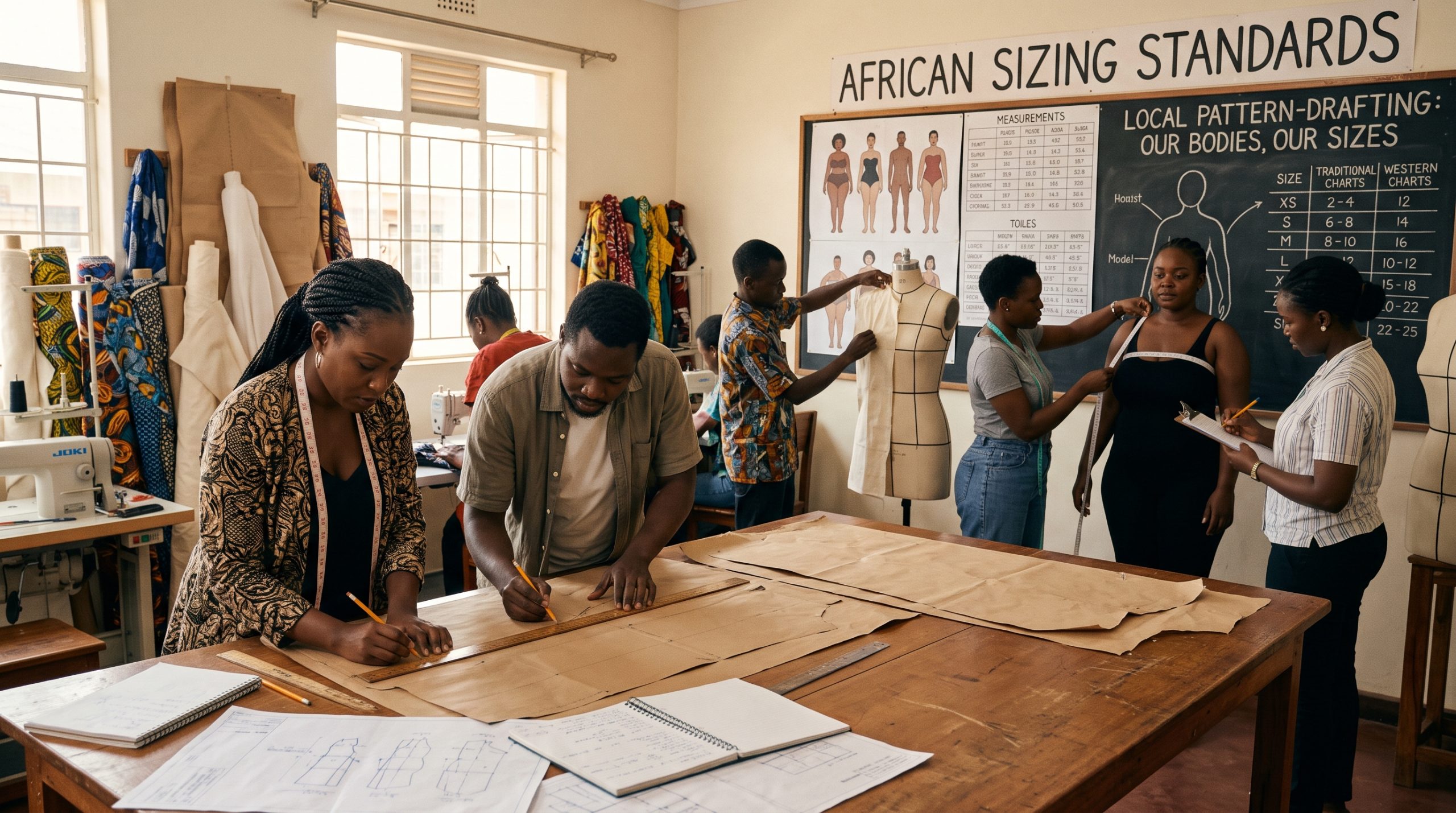
A movement is growing to change this. Designers and pattern-makers are developing sizing standards specific to African bodies—different proportions, different measurements, different fit considerations.
The implications are significant. For designers, it means creating new pattern blocks, new grading systems, new quality control processes. For customers, it means clothing that actually fits.
The movement isn’t just about size. It’s about representation, dignity, and the recognition that African bodies are not deviations from a Western norm—they’re the norm for a significant portion of the world’s population.
The challenge is data. Building accurate sizing standards requires extensive measurement studies—thousands of bodies, measured systematically. That data doesn’t exist yet in most West African countries. But designers aren’t waiting. They’re taking measurements themselves, sharing data with each other, and building the standards from the ground up.
The businesses that adopt these standards early will have a competitive advantage. Customers notice when clothing fits properly. They come back. They tell their friends. The brands that get this right will earn loyalty that no marketing budget can buy. Standardized sizing for African bodies isn’t just a design issue—it’s a business opportunity hiding in plain sight.






No Comments