The gele is more than a headwrap. It’s an art form. A status symbol. A multi-billion naira industry.
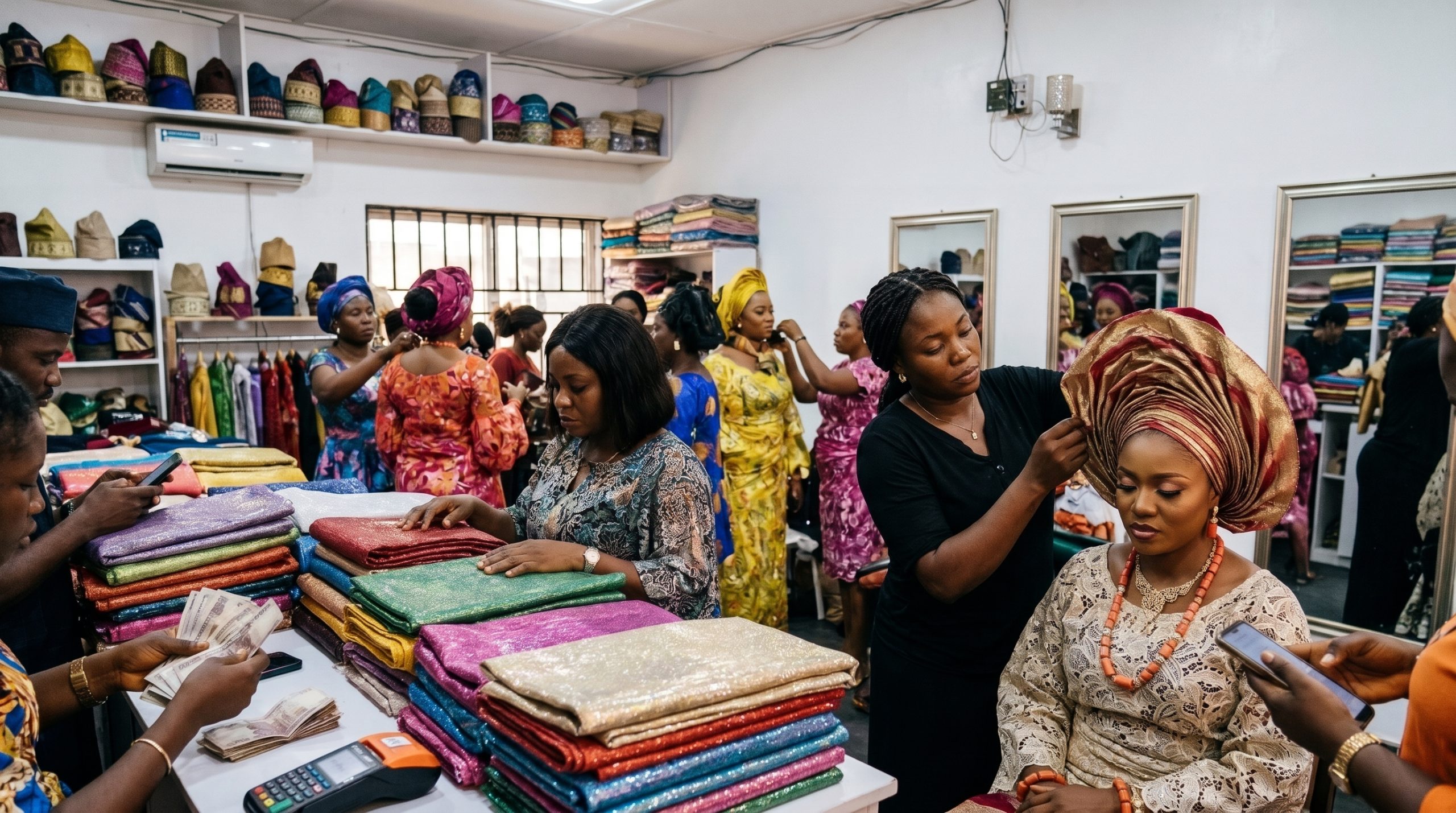
Every weekend, thousands of women across Nigeria pay professional gele tiers to create elaborate headwraps for weddings, parties, and events. The going rate ranges from ₦5,000 for a simple style to ₦50,000 or more for elaborate creations that require an hour of expert work.
The gele industry supports a network of stylists, fabric sellers, accessory makers, and event planners. It’s part of a broader wedding economy that includes aso-ebi, event styling, catering, photography, and more.
The numbers are staggering. A single high-profile wedding might involve hundreds of gele-wearing guests, each paying for styling. The total value of the gele industry is likely in the billions of naira annually.
Yet the industry remains largely informal. There are no standards, no certifications, no trade associations. Stylists learn through apprenticeship and build their businesses through word-of-mouth. It’s a hidden economy—but a massive one.
The opportunity for formalization is significant. If stylists organized into associations, set quality standards, and marketed collectively, they could command higher prices and attract corporate clients. But formalization also brings challenges—taxes, regulations, and the loss of the informal flexibility that many stylists value.
For now, the gele industry hums along, invisible to economists but essential to the culture. The women who tie gele aren’t just stylists—they’re custodians of a tradition, and their hands are worth their weight in gold.









No Comments