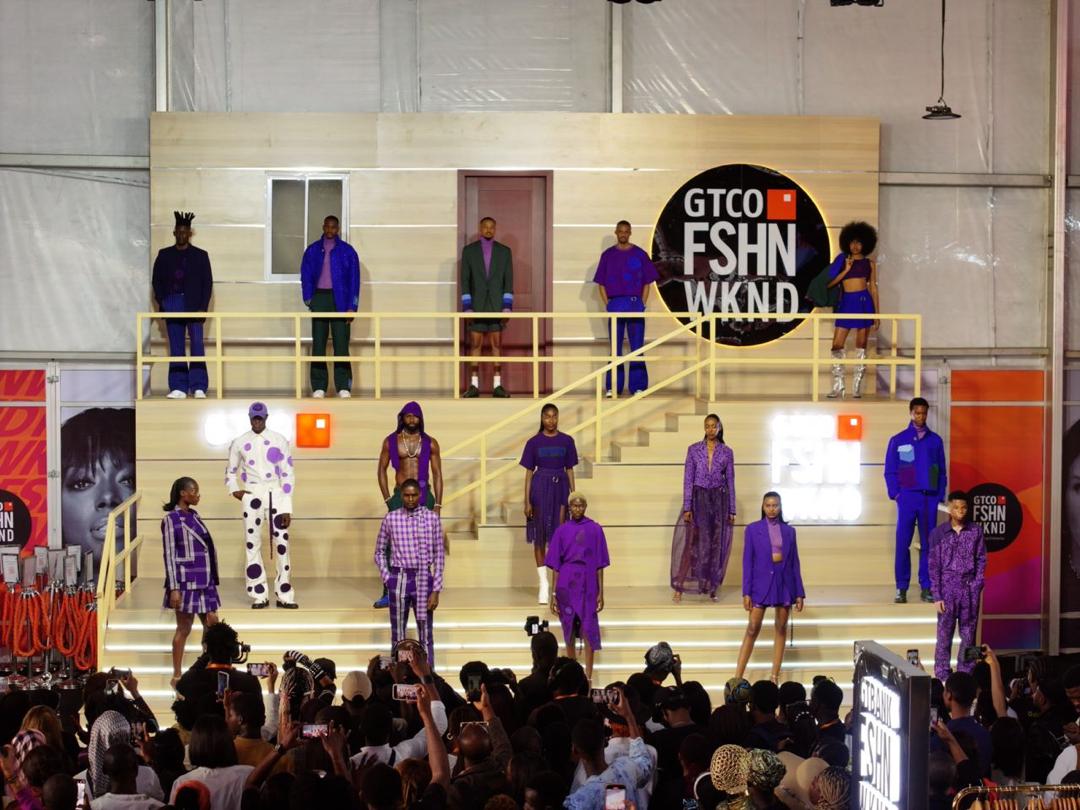
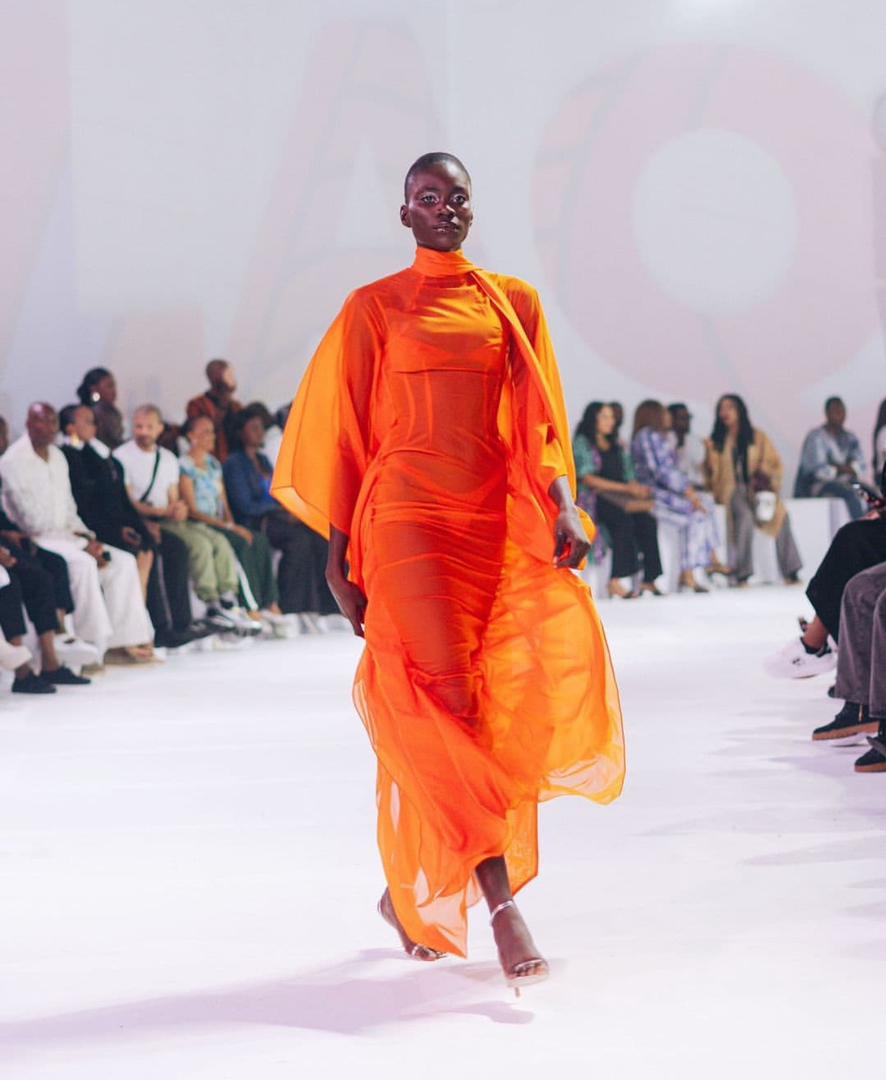
The runway show was a success. The young designer got press, got buzz, got compliments. Then what?
This is the gap that fashion incubators are trying to fill. Runway exposure is great for building awareness, but it doesn’t pay the bills. Designers need support with production, distribution, marketing, finance—the unglamorous parts of building a business.
The most effective incubators provide a combination of services. Mentorship from experienced designers. Access to manufacturing facilities. Help with pricing and positioning. Connections to buyers and stockists. Financial literacy training.
The goal isn’t to make designers into entrepreneurs. It’s to help them understand that they are entrepreneurs—and to give them the tools they need to succeed.
The failures in this space are instructive. Incubators that focus only on creativity—studio space, design mentorship, runway shows—produce designers who can make beautiful clothes but can’t run a business. Incubators that focus only on business—accounting, marketing, sales—produce competent managers but forget the craft.
The best programs blend both. They recognize that fashion is a business of art, and art is a business of fashion. They teach designers how to price, how to produce, how to sell—without losing sight of why they started designing in the first place. The designers who emerge from these programs aren’t just more skilled—they’re more sustainable. And in an industry where most young brands fail within three years, sustainability is the ultimate measure of success.








No Comments