Let’s do some math.
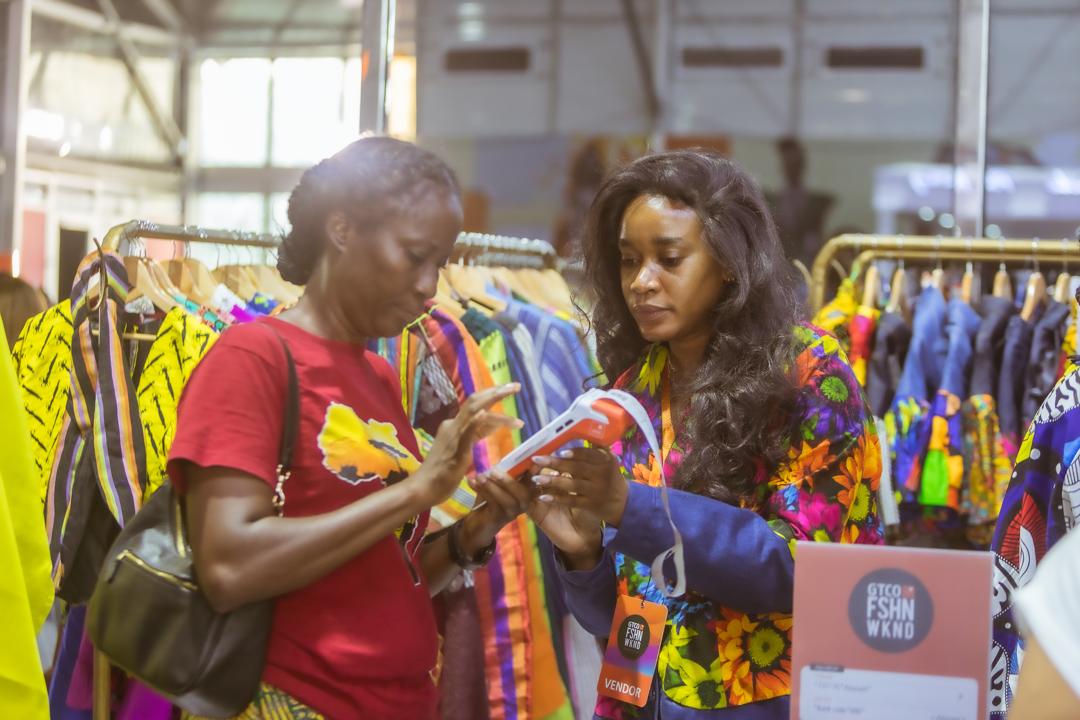
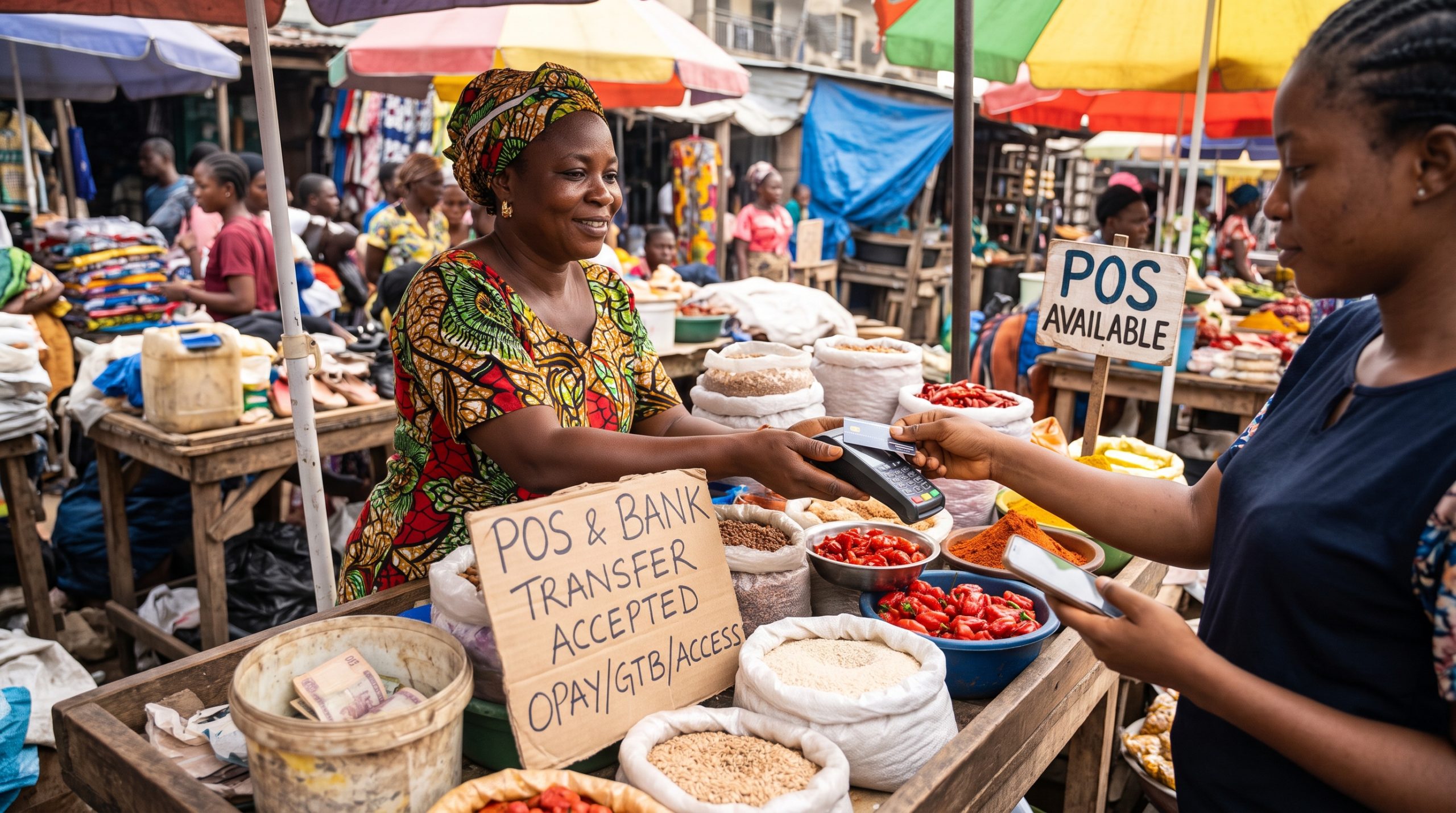
Option A: Weekend Market Pop-Up
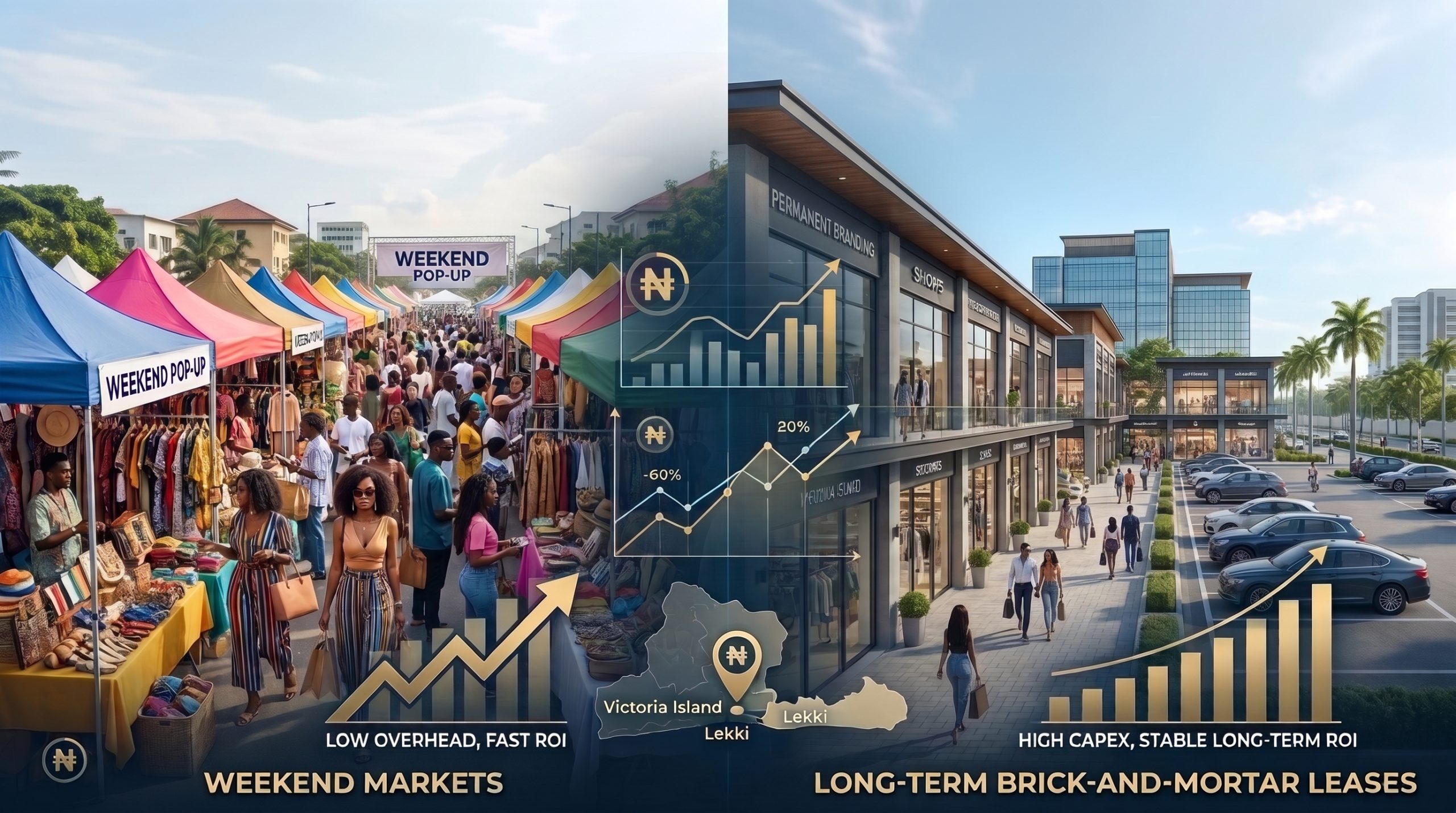
Booth fee: ₦50,000–₦150,000 for a weekend slot at a popular market. Fit-out: ₦50,000–₦200,000 (racks, signage, mirrors, etc.). Staffing: ₦20,000–₦50,000 (two staff members for two days). Inventory: Variable, but let’s say ₦500,000 worth of products. Total cost: Approximately ₦620,000–₦900,000 per weekend.
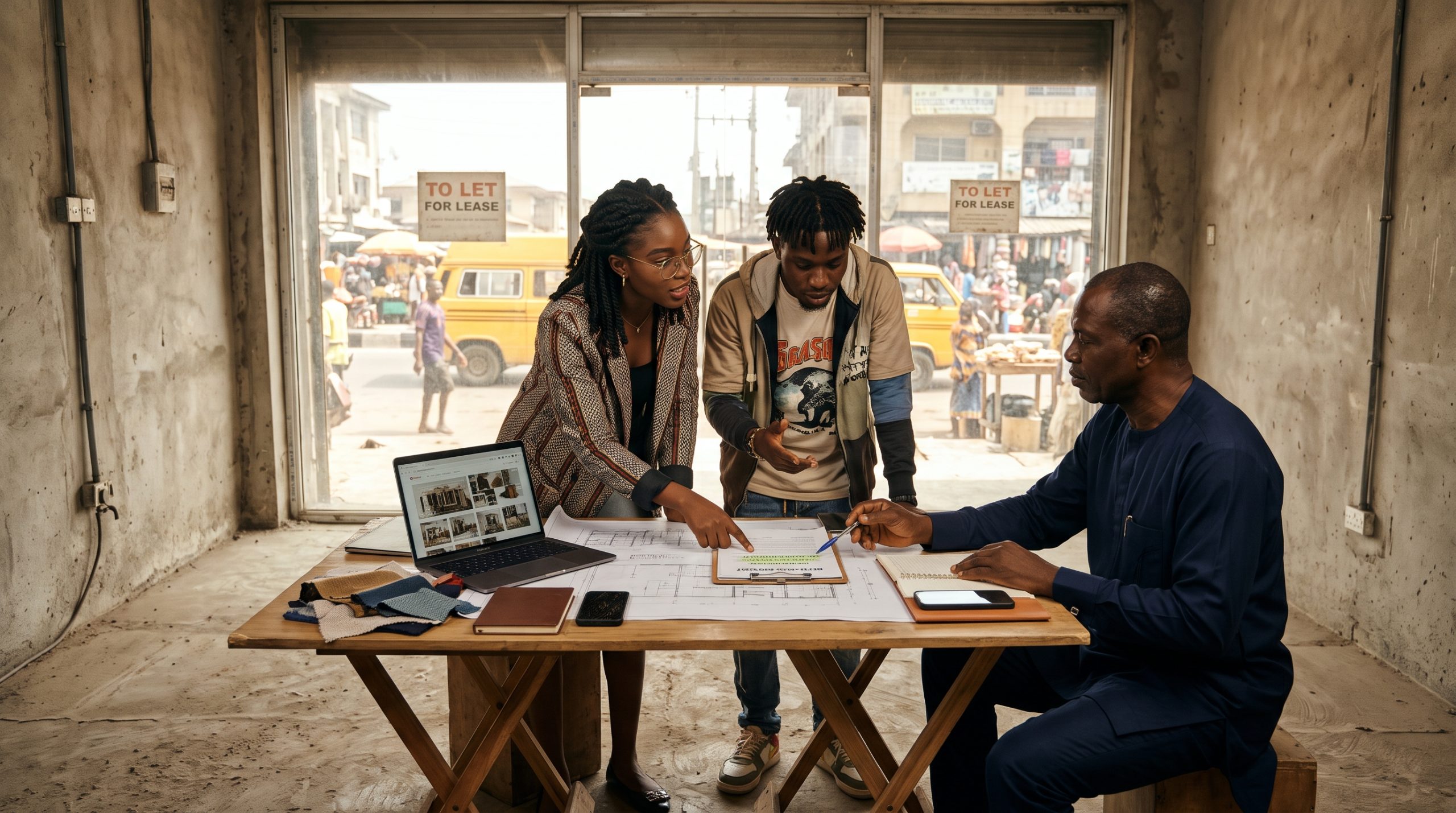
Option B: Brick-and-Mortar Lease in Victoria Island
Monthly rent: ₦500,000–₦2,000,000 (depending on location and size). Fit-out: ₦2,000,000–₦10,000,000 (one-time cost). Monthly staff: ₦300,000–₦600,000. Monthly utilities: ₦100,000–₦300,000. Inventory: Variable, but you’ll need more stock for a permanent store. Total monthly cost: Approximately ₦900,000–₦3,900,000 (excluding inventory and initial fit-out).
The ROI Comparison
A weekend market might generate ₦800,000–₦2,000,000 in sales. If you do four markets a month, that’s ₦3.2 million–₦8 million in potential revenue. But markets aren’t every weekend, and revenue fluctuates.
A brick-and-mortar store might generate ₦2 million–₦10 million per month in sales, depending on location and brand strength. But the fixed costs are much higher, and you’re locked into a lease for years.
The Verdict
For emerging brands, pop-ups offer lower risk and faster learning. You can test different locations, different products, different price points without committing to a long-term lease. For established brands with a loyal customer base, brick-and-mortar offers stability and the credibility that comes with a permanent presence. Most successful brands start with pop-ups and graduate to permanent retail—not the other way around. The smartest founders treat every pop-up as a data-gathering exercise, not just a sales opportunity.





No Comments