European luxury houses operate on a simple logic: create desire, produce scarcity, sell at high margins, repeat. The model has worked for centuries. It’s the foundation of LVMH, Kering, and every other luxury conglomerate.
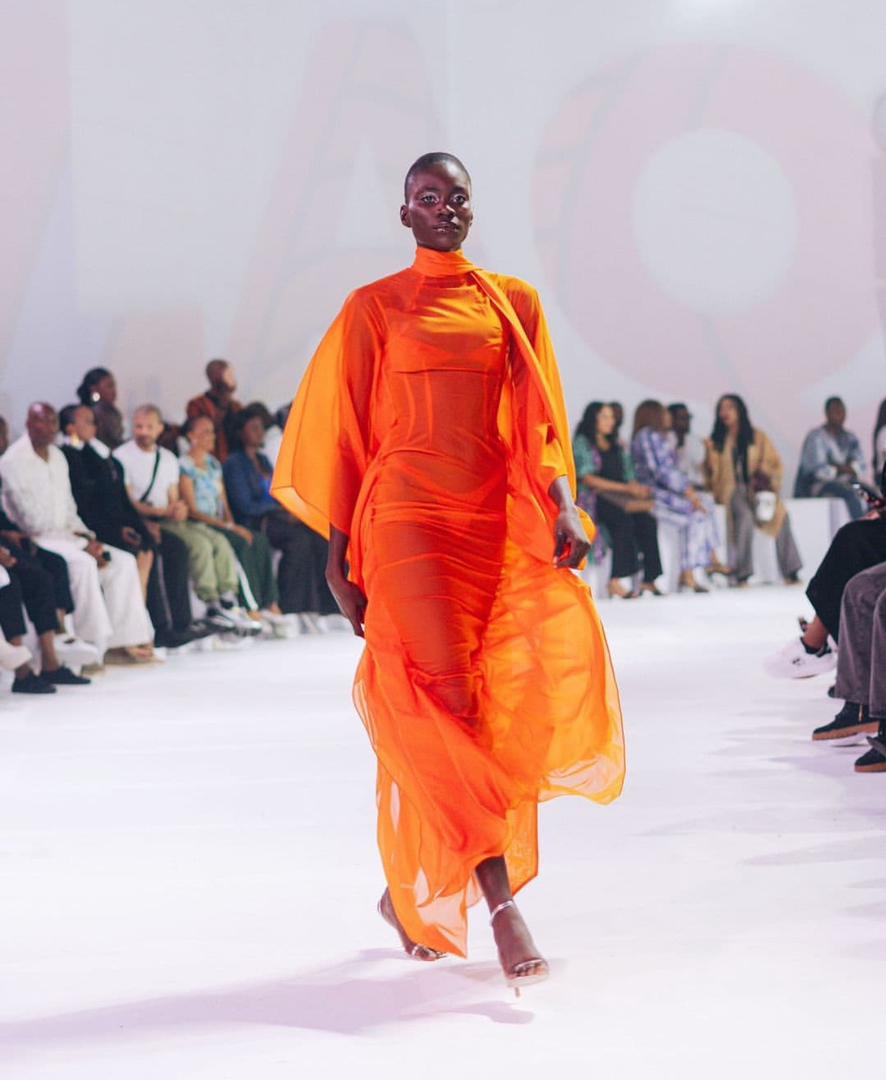
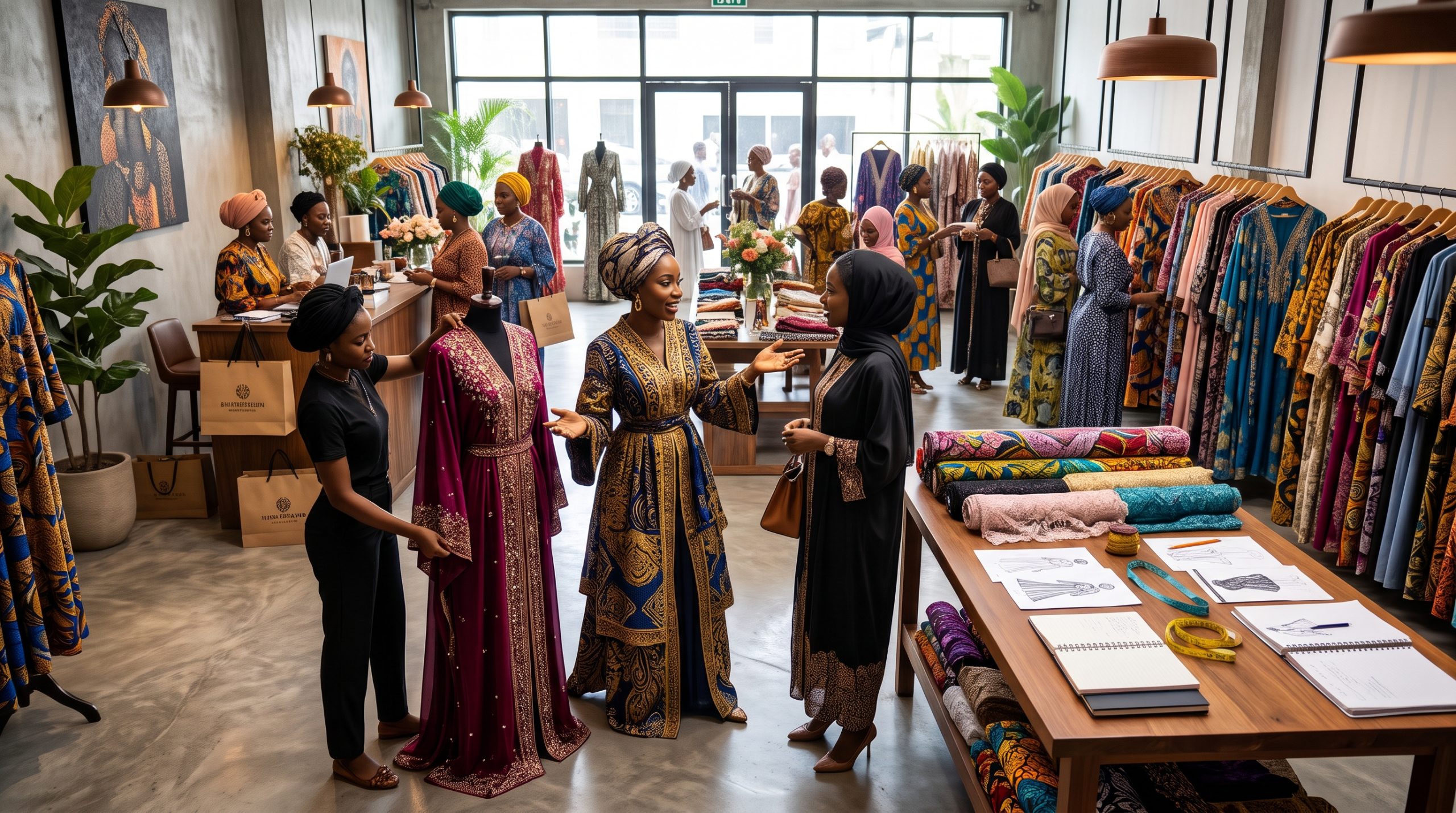
African fashion houses are increasingly choosing a different path. Instead of chasing volume, they’re embracing intimacy. Instead of producing thousands of units, they’re producing dozens. Instead of selling in hundreds of stores, they’re selling in a handful.
It’s not a limitation. It’s a strategy.
The logic is this: in a market where distribution infrastructure is weak, brand awareness is limited, and customer acquisition is expensive, volume is a trap. Better to sell 50 pieces at ₦500,000 each than 5,000 pieces at ₦5,000 each. The former builds exclusivity and margin; the latter builds inventory and headaches.
The African luxury consumer—there are more of them than you might think—wants what European luxury consumers want: status, quality, and a story. But they also want something more: authenticity. A Deola Sagoe gown isn’t just a gown. It’s a connection to Yoruba heritage. A Mai Atafo suit isn’t just a suit. It’s a statement about modern African identity.
That authenticity is hard to maintain at scale. The moment you start producing thousands of units, you risk becoming generic. The moment you start selling in every mall, you risk losing your edge.
The smartest African luxury houses understand this. They’re building brands that feel personal, intimate, and exclusive. They’re not trying to be LVMH. They’re trying to be something new—something that honors African craft traditions while competing on the global luxury stage. And that requires the courage to stay small when everyone else is chasing scale.








No Comments