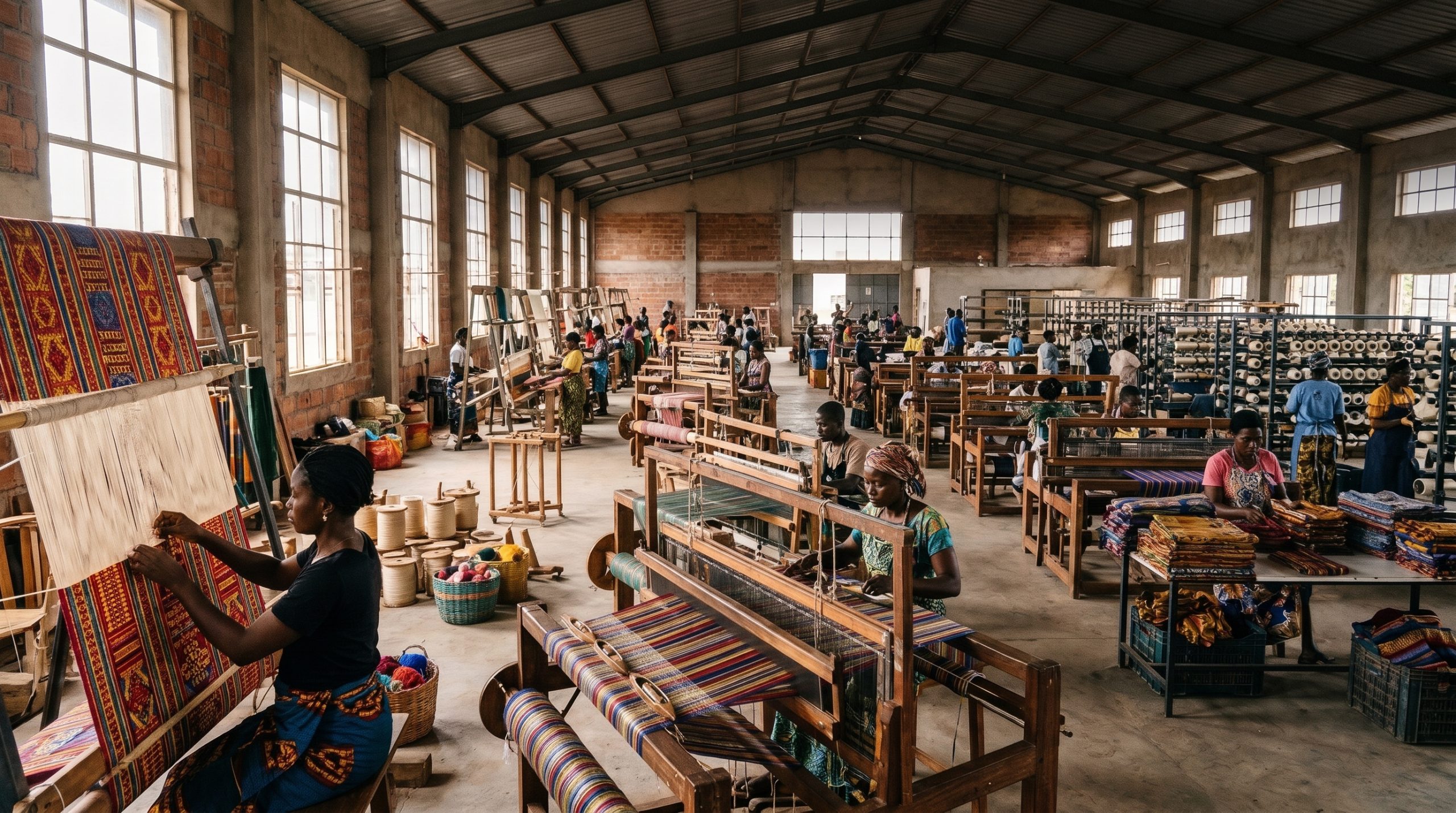
The loom is wooden, hand-built, and older than anyone in the room. The weaver—a woman in her 60s—moves with practiced efficiency, passing the shuttle back and forth, building the fabric thread by thread.
This is how akwete and aso oke have been made for centuries. It’s slow. It’s labor-intensive. And it’s increasingly untenable in a market that demands faster production at lower prices.
The question facing the industry is: can these traditional methods scale without losing what makes them special?
Some argue that industrialization is inevitable. Weavers are aging. Young people aren’t taking up the craft. Demand is growing. Something has to change.
Others argue that industrialization would destroy the very thing that makes akwete and aso oke valuable. The slight irregularities. The human touch. The connection to generations of craft tradition. These are what command premium prices. Machines can’t replicate them.
The middle path might be hybrid models. Machine assistance for certain steps (spinning, dyeing). Manual weaving for others. Better equipment for weavers. Training programs to attract young people. Cooperatives to organize production.
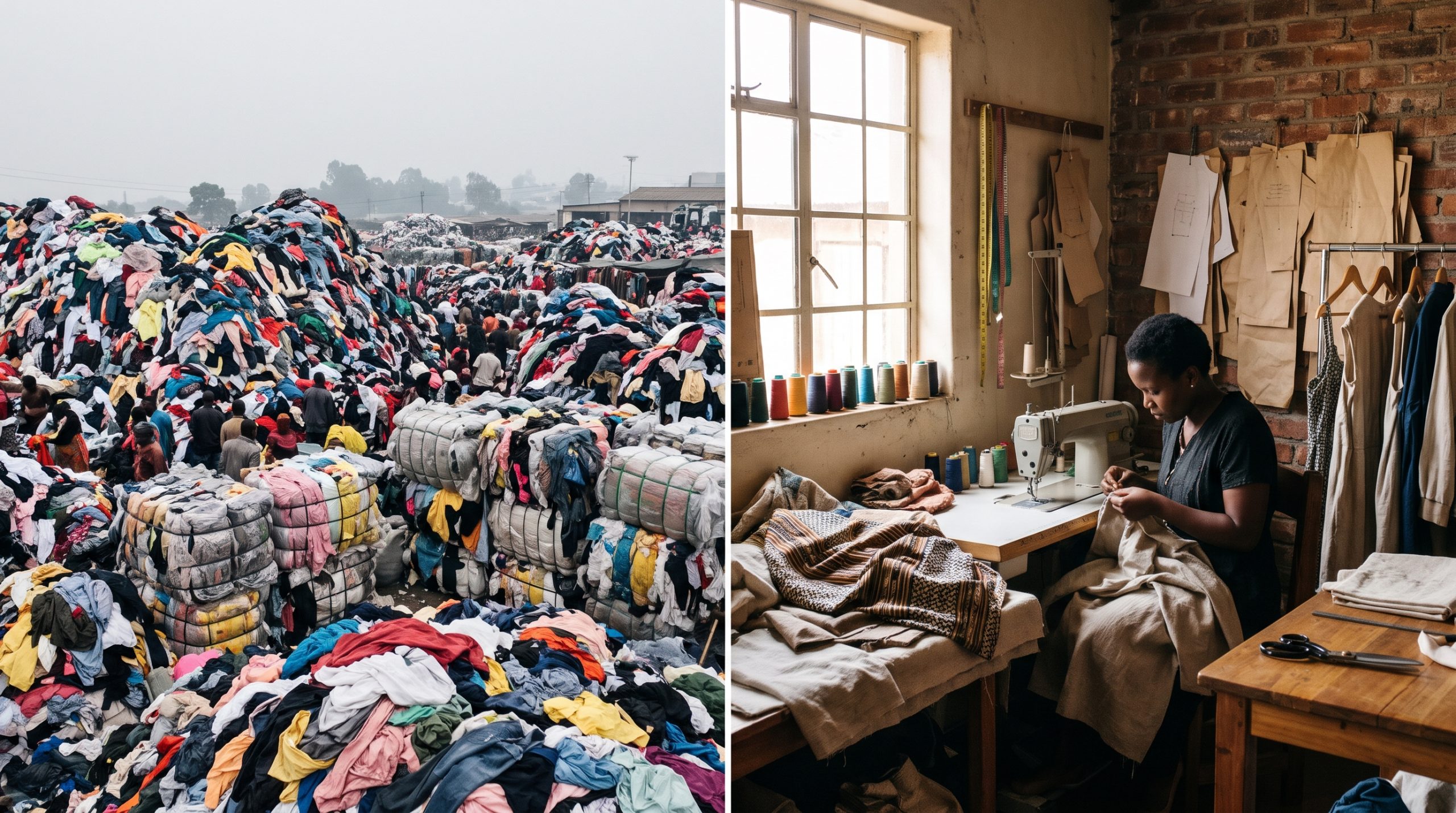
The answers aren’t easy. But the conversation is necessary. Because if nothing changes, these crafts might disappear entirely—and that would be a loss not just for fashion, but for culture. The weavers themselves are caught in the middle. They want fair pay and a future for their craft, but they can’t compete with machine-made imports on price. The brands that find a way to pay them properly while selling at scale will be the ones that keep these traditions alive.






No Comments