In the West, circular fashion is a trend. In West Africa, it’s a necessity.
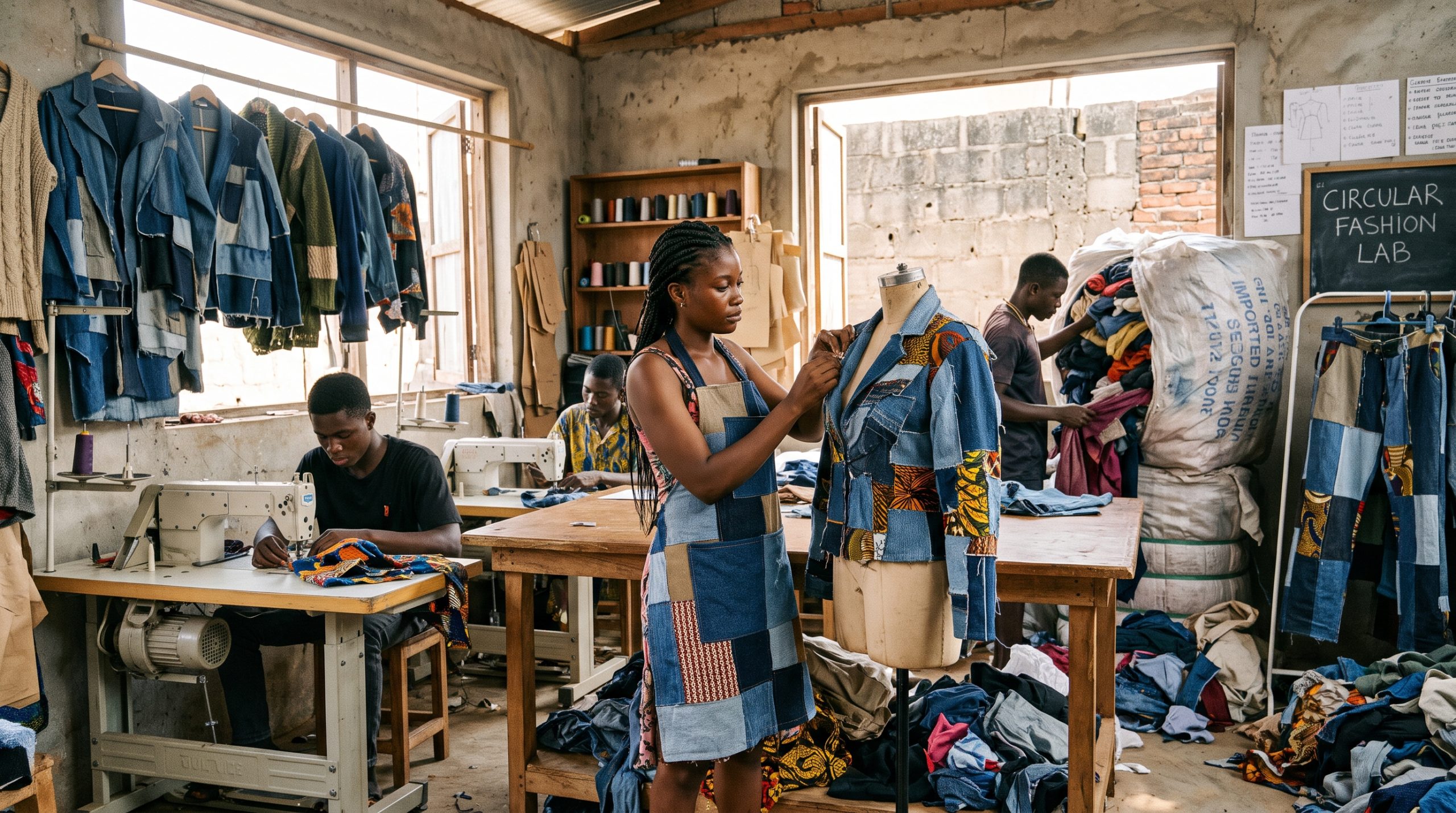
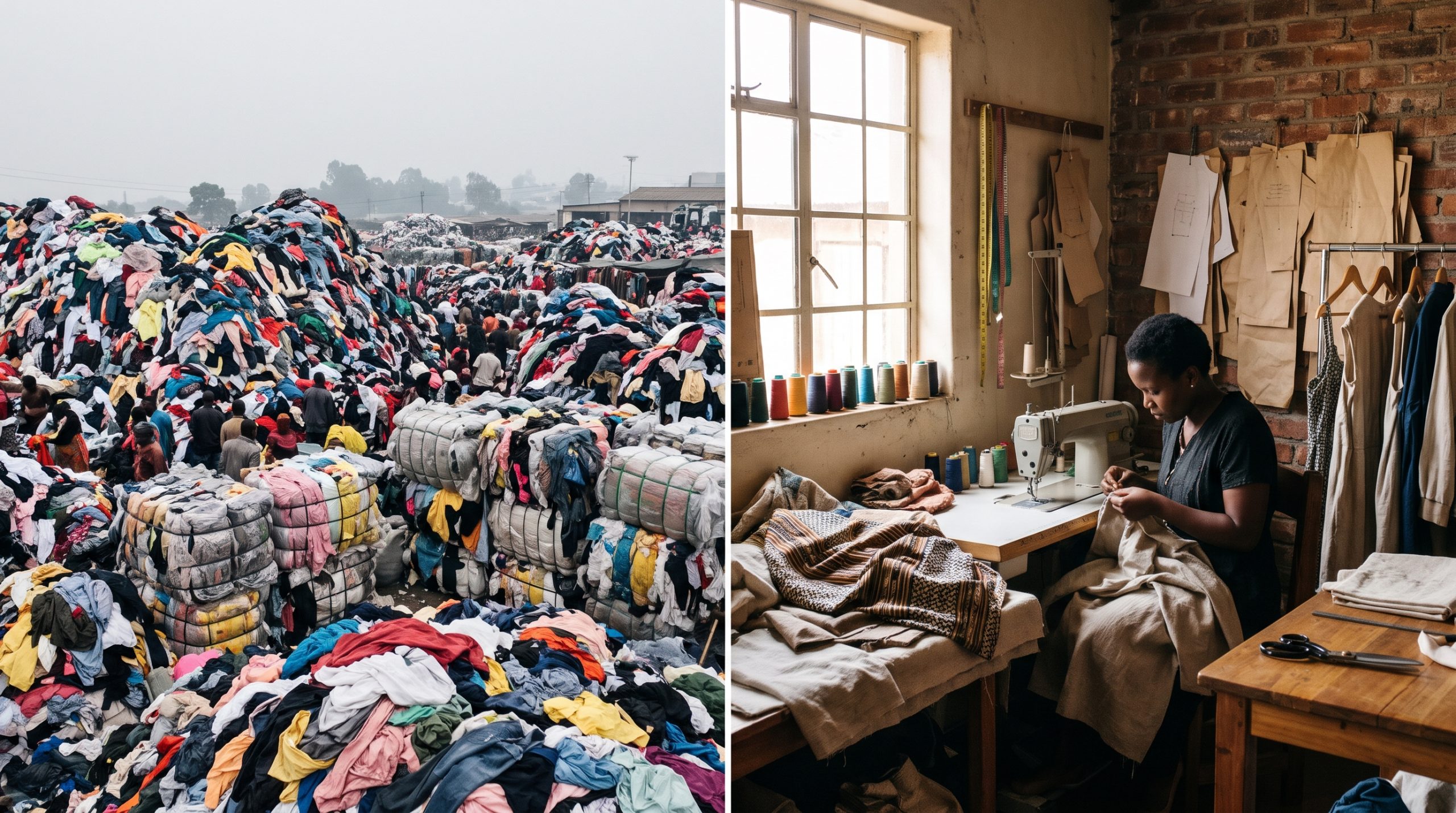
When you grow up in a context where resources are scarce and waste is unacceptable, upcycling isn’t a marketing strategy—it’s how you live. Clothing gets repaired, not replaced. Fabric scraps become new garments. Old styles are reimagined into new ones.
West African designers are now bringing this sensibility to the global stage. They’re creating collections from deadstock fabric, discarded clothing, and industrial waste. They’re designing pieces that can be deconstructed and remade. They’re proving that sustainability isn’t a luxury—it’s a mindset.
The business case is strong. Upcycled materials are often cheaper than new ones. The stories behind them are more compelling. And the customers—increasingly conscious of fashion’s environmental impact—are willing to pay for it.
The challenge is scaling. Upcycling is labor-intensive. Sourcing materials is inconsistent. Quality control is harder. But for designers who are committed to the approach, these challenges are worth overcoming.
The most successful upcyclers have built their brands around the constraint, not in spite of it. They celebrate the uniqueness of each piece. They tell the story of where the materials came from. They position upcycling as a mark of quality, not a compromise. The result is a product that carries meaning—and in a crowded market, meaning is what sells. The designers leading this movement aren’t just making clothes; they’re proving that the most sustainable approach is often the one that’s been practiced for generations, long before “circular fashion” had a name.




No Comments